
Ion OS
A spatial motion system grounded in plasma physics and inspired by VisionOS. Authored in my proprietary tool: Motion Lab.
Year:
2026
Category:
Motion Systems
UI/UX Design
Animation
Tools:
Figma
Cursor / Claude
Motion Lab
Ae
The metaphor
Ion OS is grounded in plasma physics. Plasma exists in two states: ionized and at rest. By default, the system remains at rest, featuring a neutral palette designed to let diverse content take center stage. The ionized character of the OS emerges only during interaction or transition.
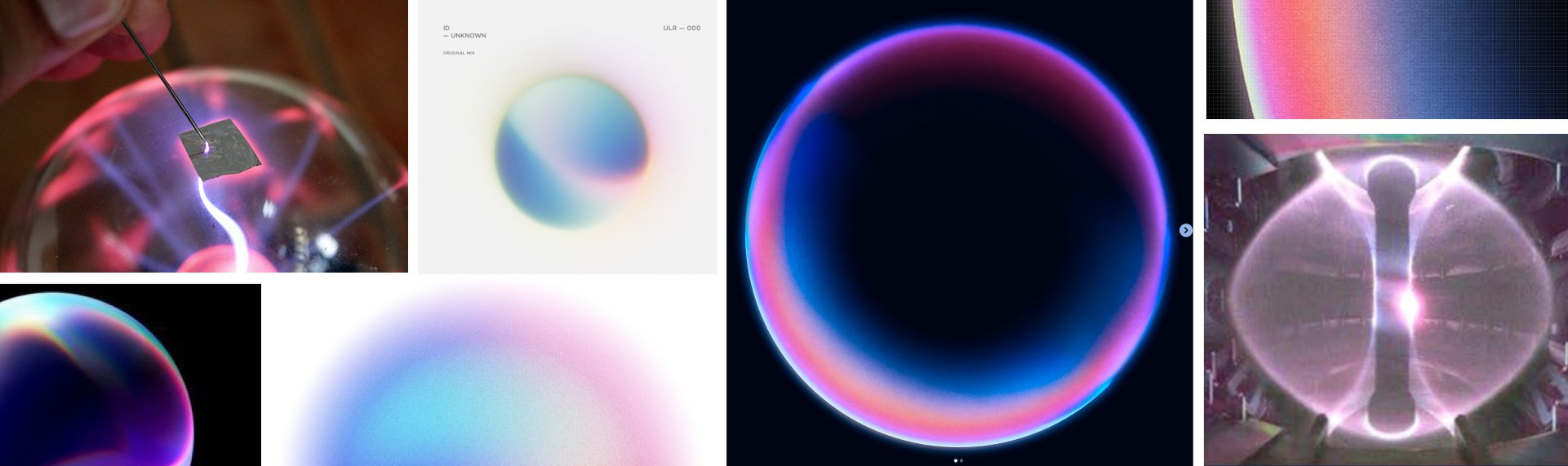
Plasma Mood Board
Components
For the case study of this system I built out 6 components. Each component rendering below was captured from the live React component in Motion Lab.
Button
Press, release, settle. The ionization arc at its simplest.
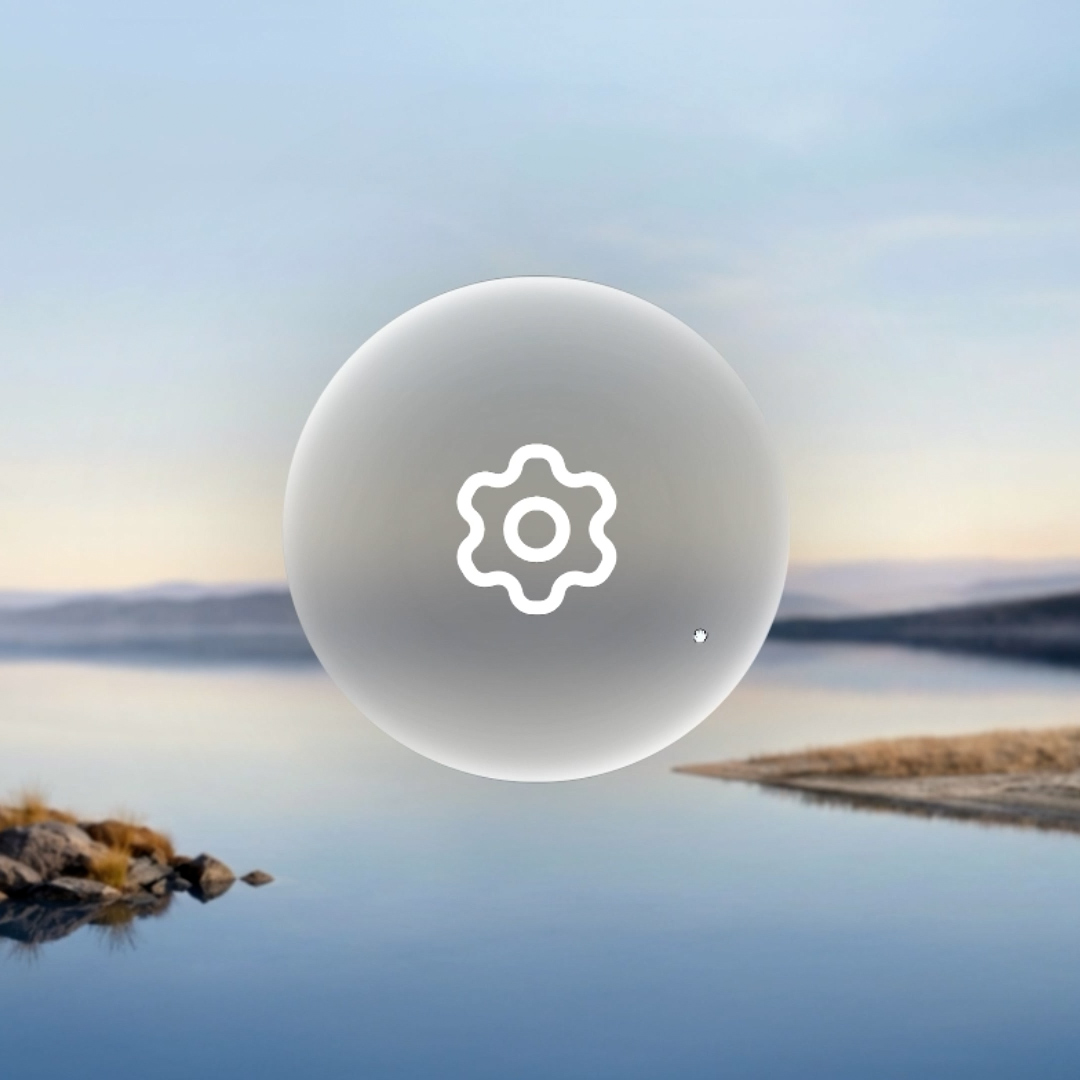
Radial Menu
A hand-anchored and gesture launched quick access radial menu.
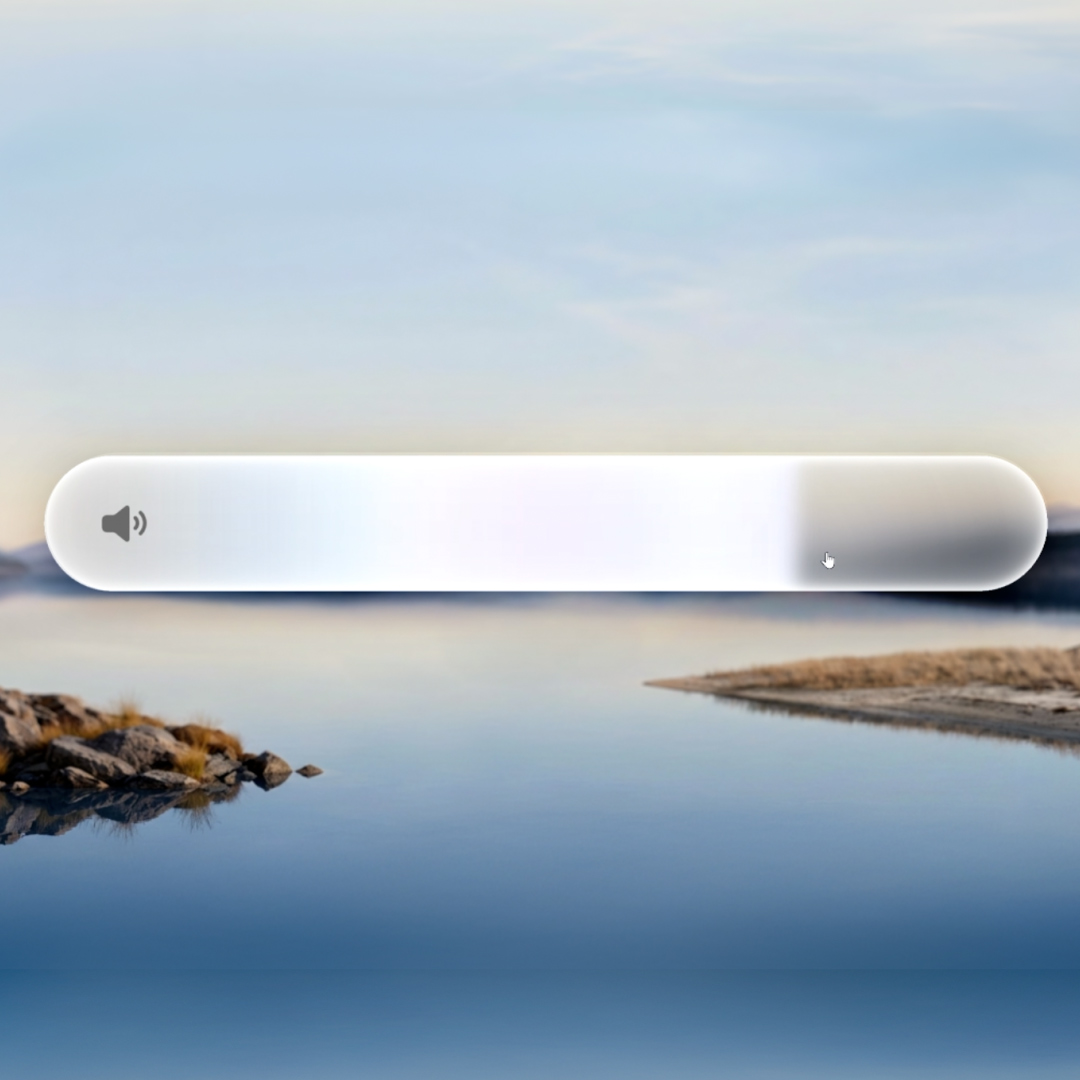
Slider
Drag input drives ionization / excitation.
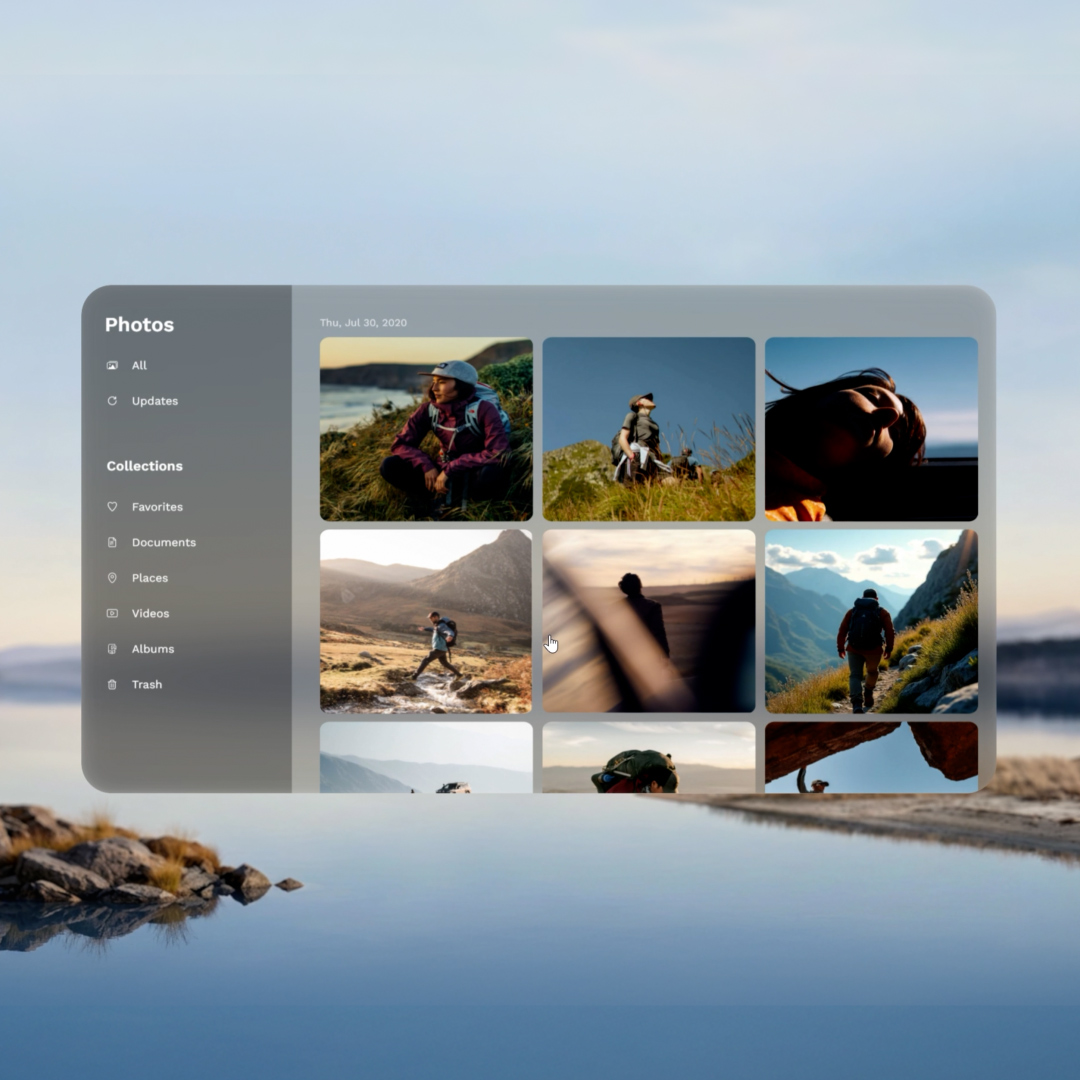
Photos App
Enter animation showcases the ionized transition as well as choreographed staggered contnet reveal.
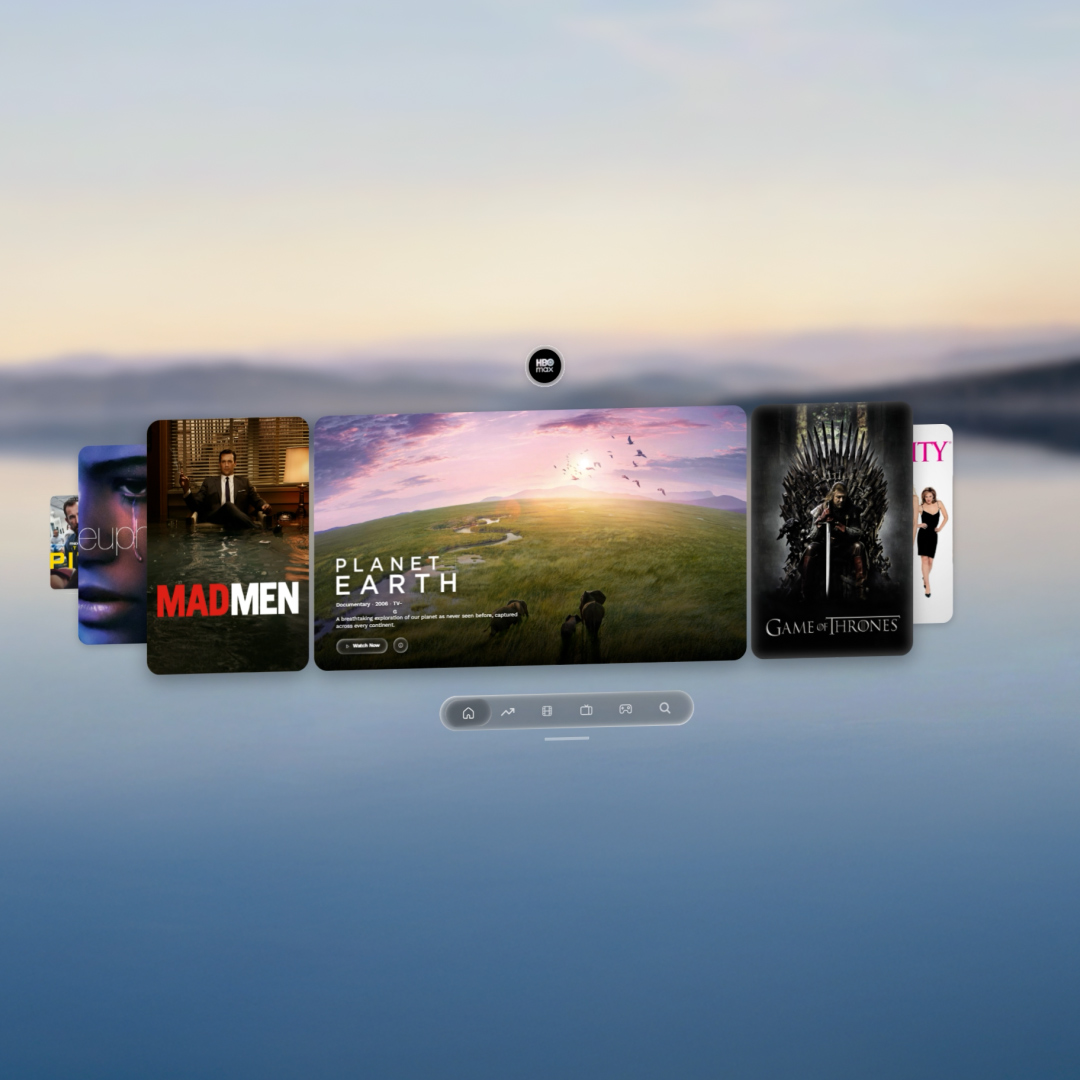
HBO Max App
A full spatial app concept with every part of the system operating together.
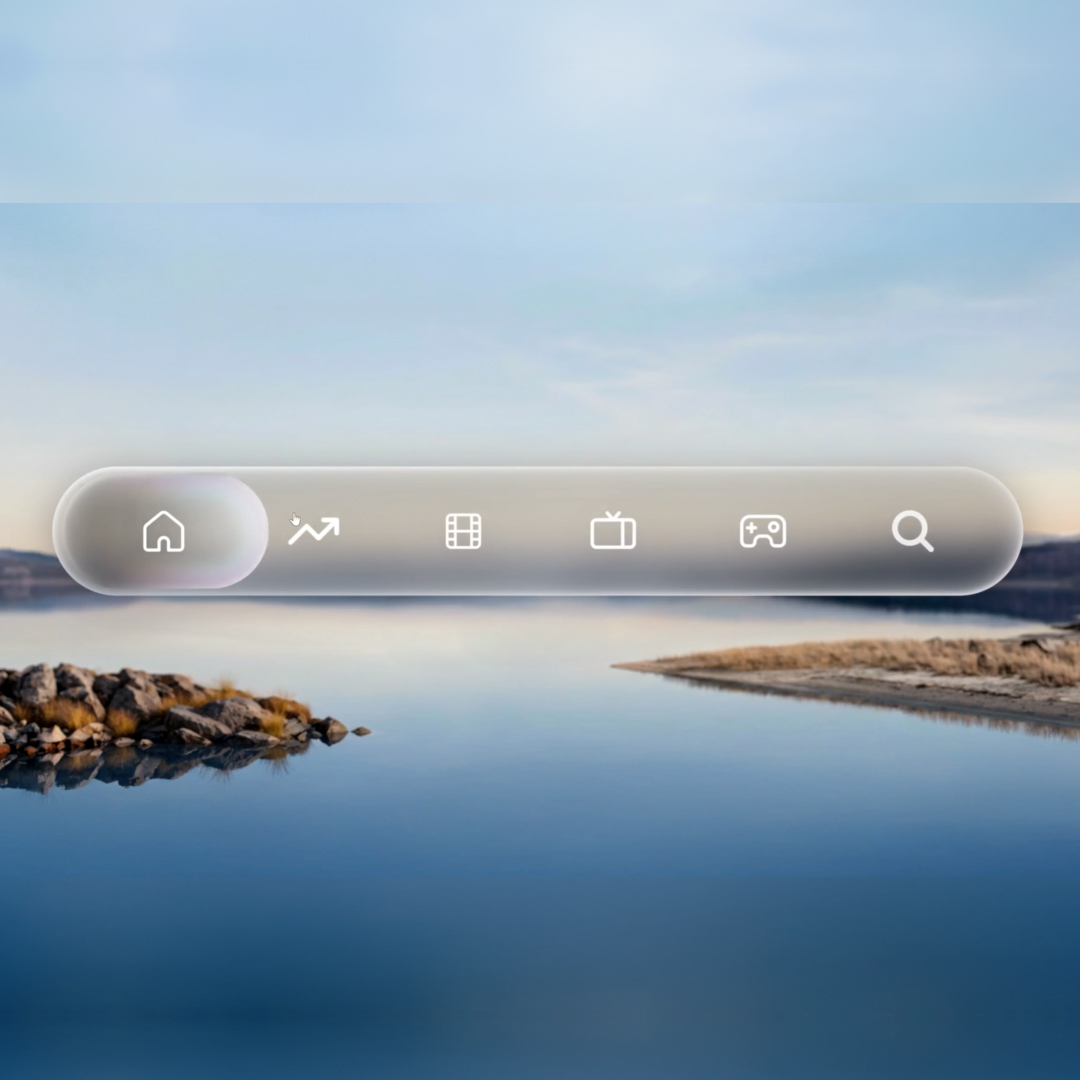
Navigation Bar
The navigation bar of the HBO Max app. Utilizes the same ionized press animation as the system buttons.
System Overview
The system has four parts: principles, tokens, recipes, and constraints. Principles flow down into tokens, which flow into recipes. Constraints sit alongside, applying to everything. The whole system is structured as editable data in Motion Lab, where it serves as context for AI agents to author on-system motion.
Principles: Ionization
Elements ionize on transition or interaction, entering an excited state that decays as energy dissipates
- Excited state: glow brightly, are diffuse, and deform elastically.
- Decay to rest: Glow fades as energy dissipates, boundary sharpens and system stabilizes
Principles: Oscillation
Plasma energy oscillates and decays naturally as it transitions from an ionized to a resting state — springs model that decay directly.
- Springs are the default motion primitive, not tweens
- Overshoot communicates energy return; damping communicates settling
Principles: Contextual Tempo
Duration adapts to element importance, size, and direction of motion.
- Duration scales with transition area: small, transient elements use fast durations; full-screen transitions use longer ones
- Exit transitions use shorter durations than their corresponding enter transitions
Tokens
The system can express any kind of motion through a comprehensive scale of durations, easings, and springs. A component’s character is determined by the specific tokens a recipe selects from this scale. Because the system behaves like plasma, springs are our default motion primitive. Most elements utilize quick, subtle springs, using tweens only as a fallback when neccesary.
Recipes
Recipes are the layer where tokens get assembled into repeatable solutions — how a component ionizes, how it settles, how it responds to state change. They exist so five different components don't each invent their own answer to the same motion problem.
Example Recipes used in Ion OS:
- Elastic Drag
- Cursor Spotlight
- Panel Enter
- Press Scale
- Press Edge Glow
Live rendered from React components in Motion Lab
Constraints
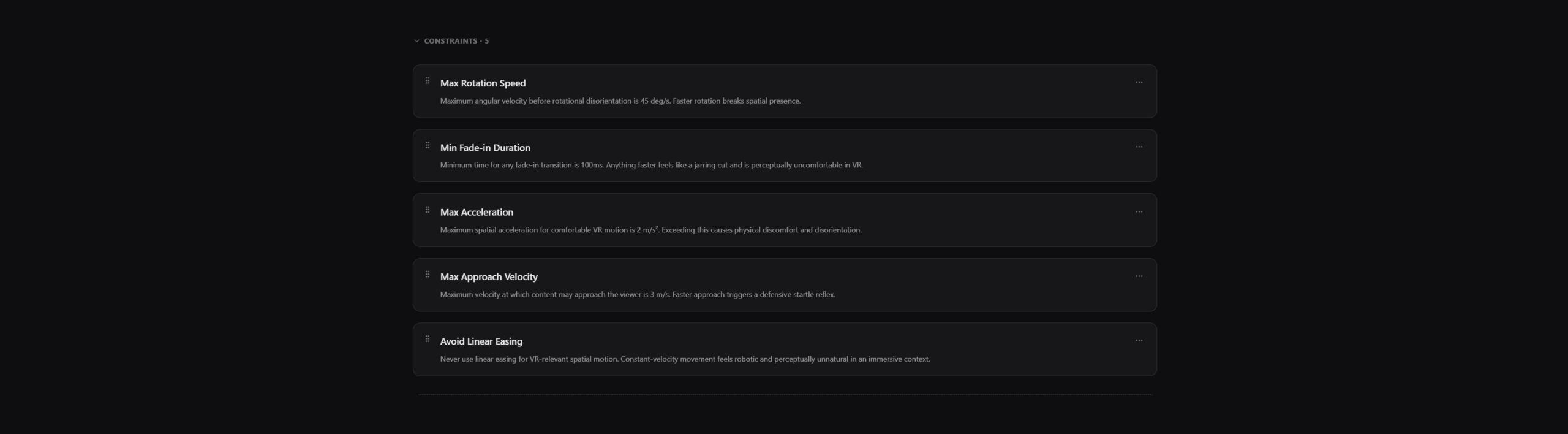
Hard bounds applied across every recipe. Components don't set these individually — they're read from the constraint layer. Below you can see these constriants as they're listed in Motion Lab. This along with the rest of the system (Principles, Tokens, Recipes) are fed into the AI agent context when iterating on motion in the tool.

Copyright
© 2026 EWL Motion
All Rights Reserved
Home Base
New York, NY
Go Knicks