
Spatial Tunes
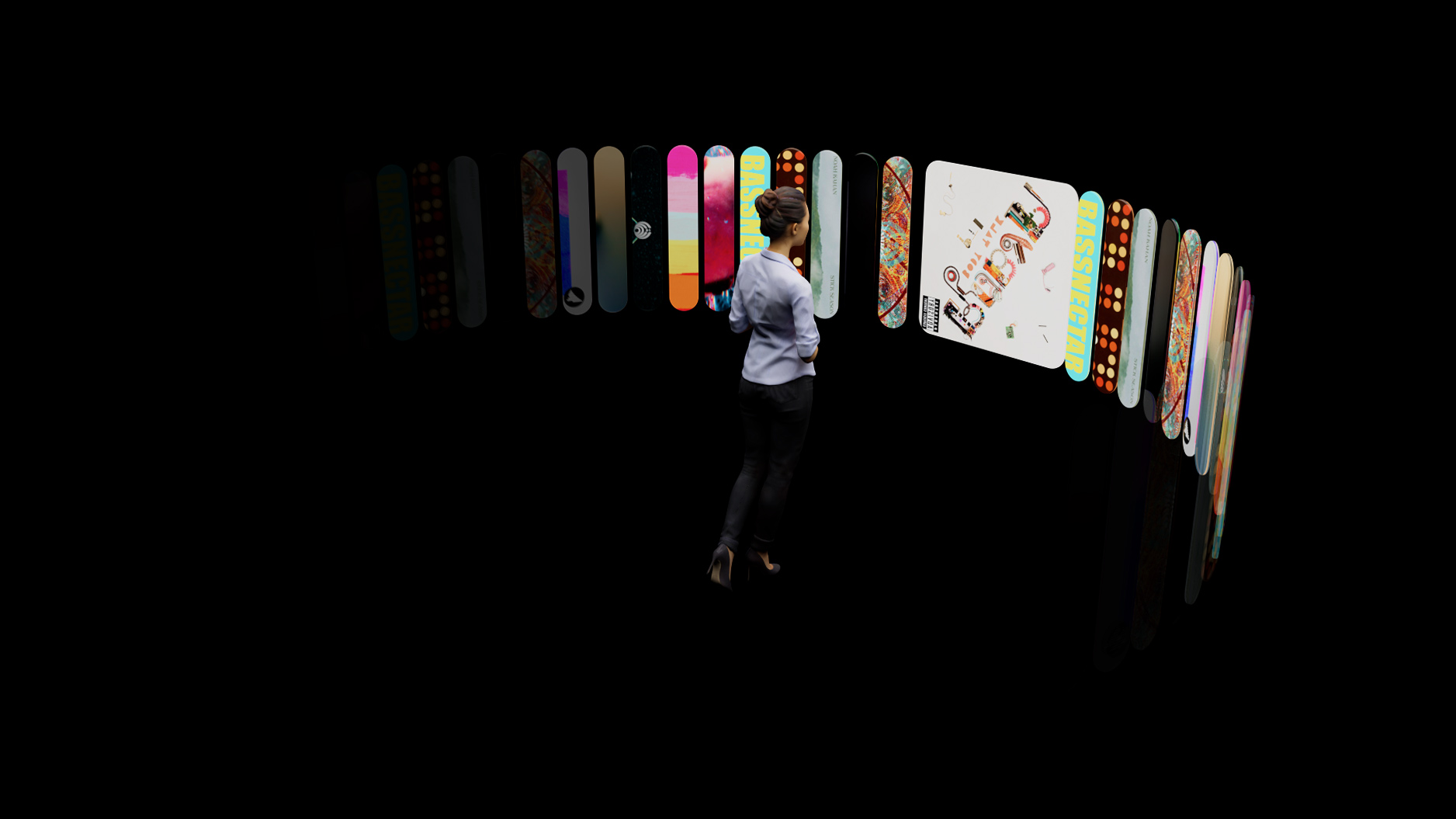
A spatial music interface, prototyped for passthrough in headset.
Year:
2026
Category:
UI/UX
Interaction Design
Spatial XR
Tools:
Cursor
Claude
Figma
C4D
Ae
Brief
Spatial Tunes is a self-initiated project built to test and refine my spatial prototyping workflow, taking a concept from flat mockup through to a working headset prototype, using an AI-assisted authoring pipeline.
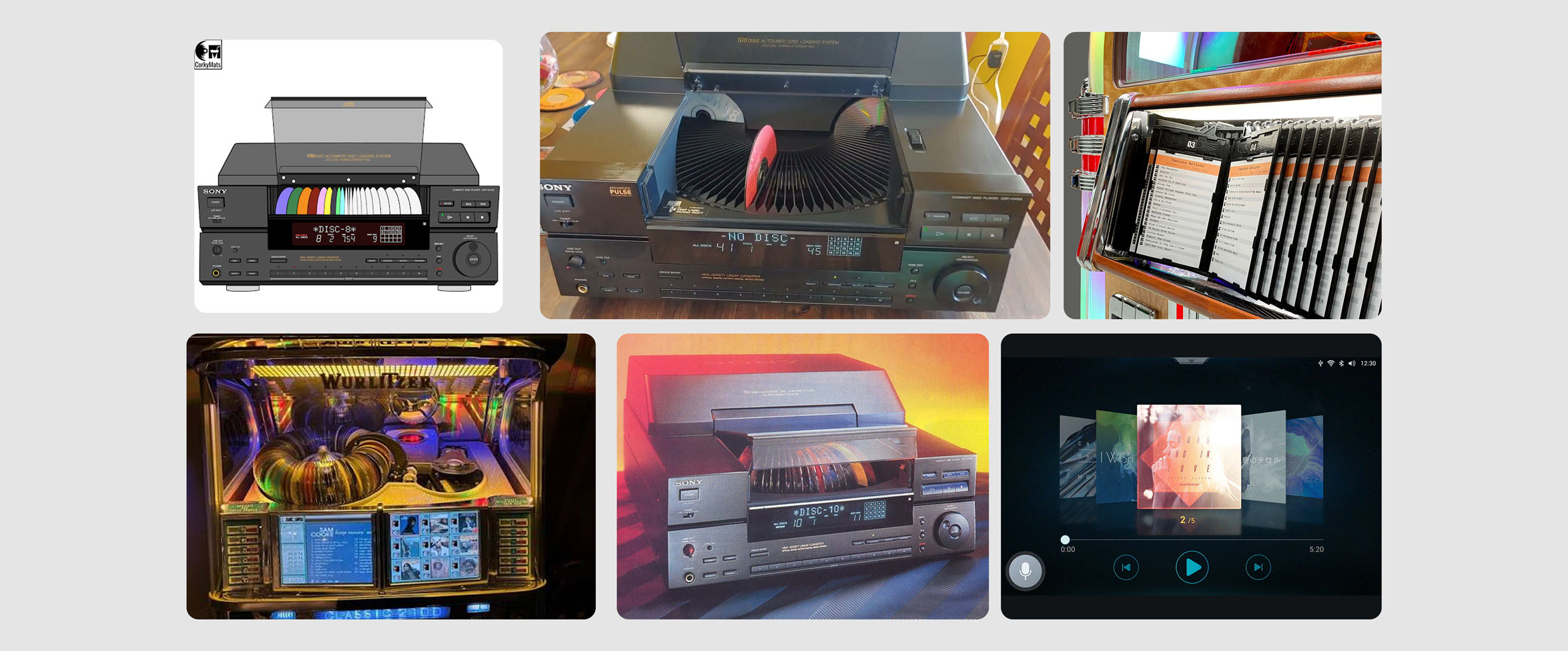
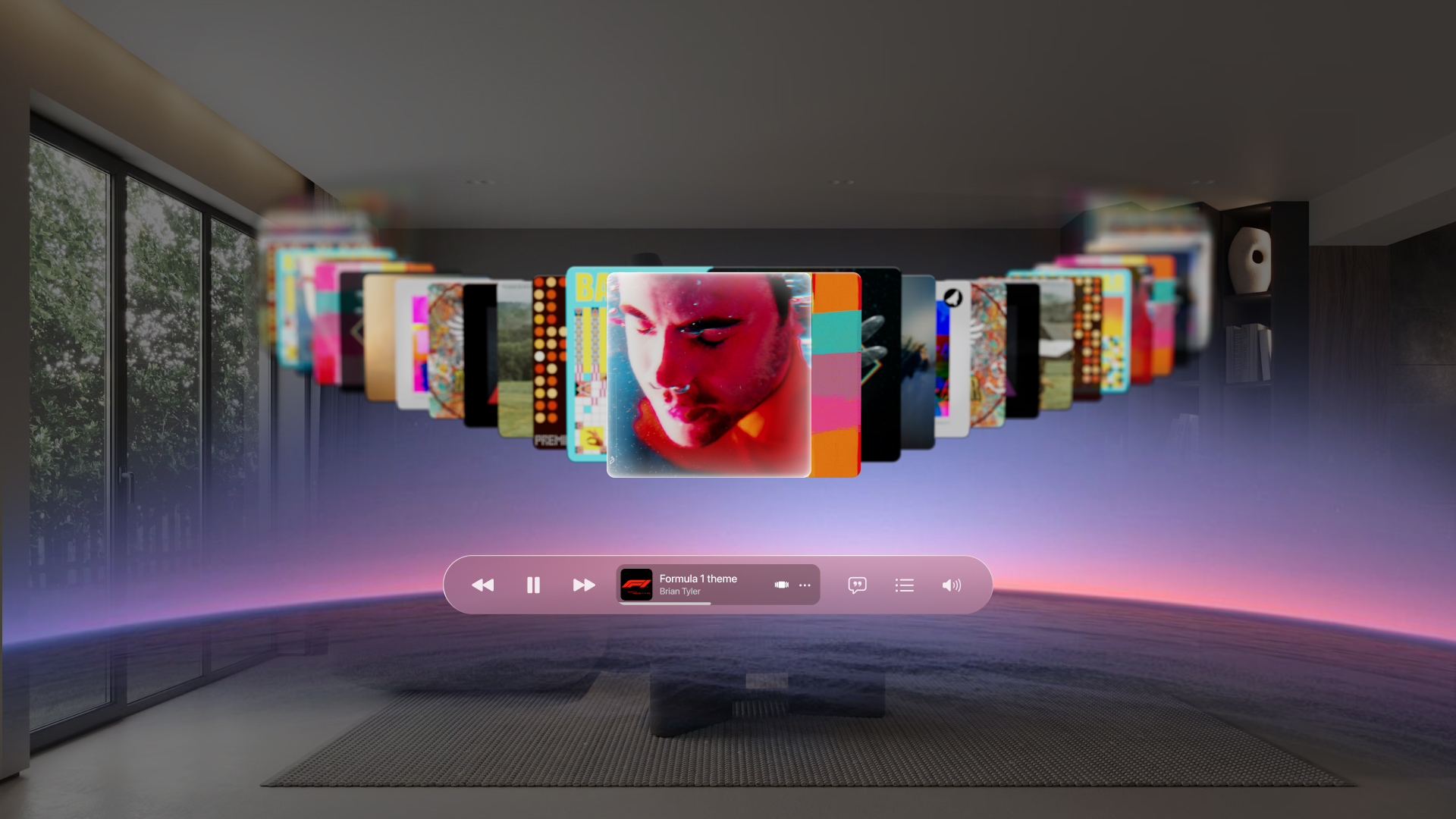
The design intent was to make full use of what VR actually offers: an unbounded, depth-based canvas, rather than defaulting to flat UI conventions ported into 3D. The carousel is large and prominent by design. The scale is meant to make browsing a music collection feel like an event, and to give the music itself some presence. The form is drawn from vintage jukeboxes, where records or CDs physically rotated through a carousel to be selected, reapplied here as a spatial interaction.
Interactive Demo
Give the carousel a spin! Most of the actual functionality of the music player hasn't been built out but this high fidelity prototype precisely illustrates my vision for the core motion of the app.
Process
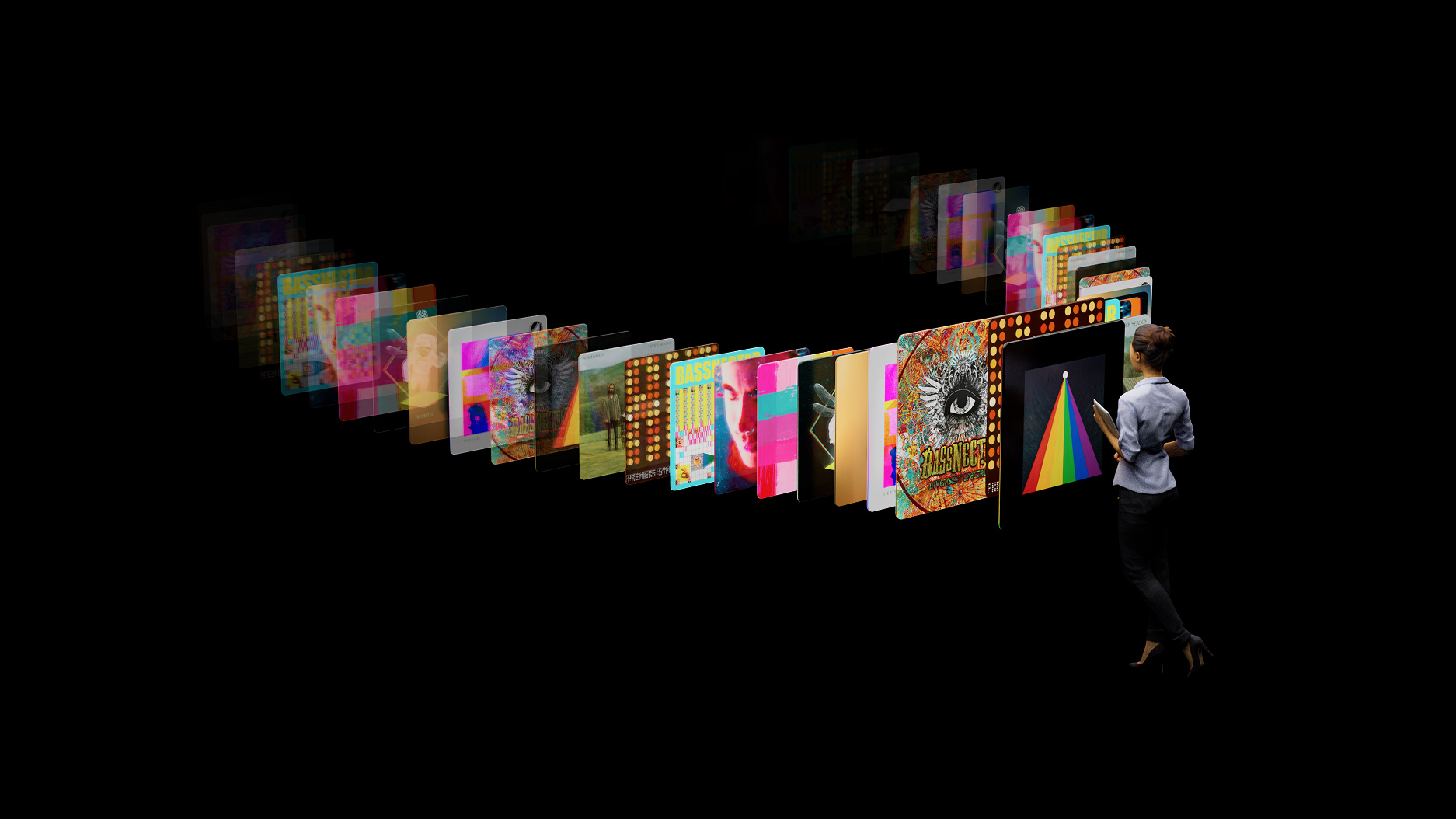
Early spatial relationships and layout blocking were worked out in Figma and C4D — figuring out scale, depth, and how the carousel should sit relative to a user before any of it was interactive.
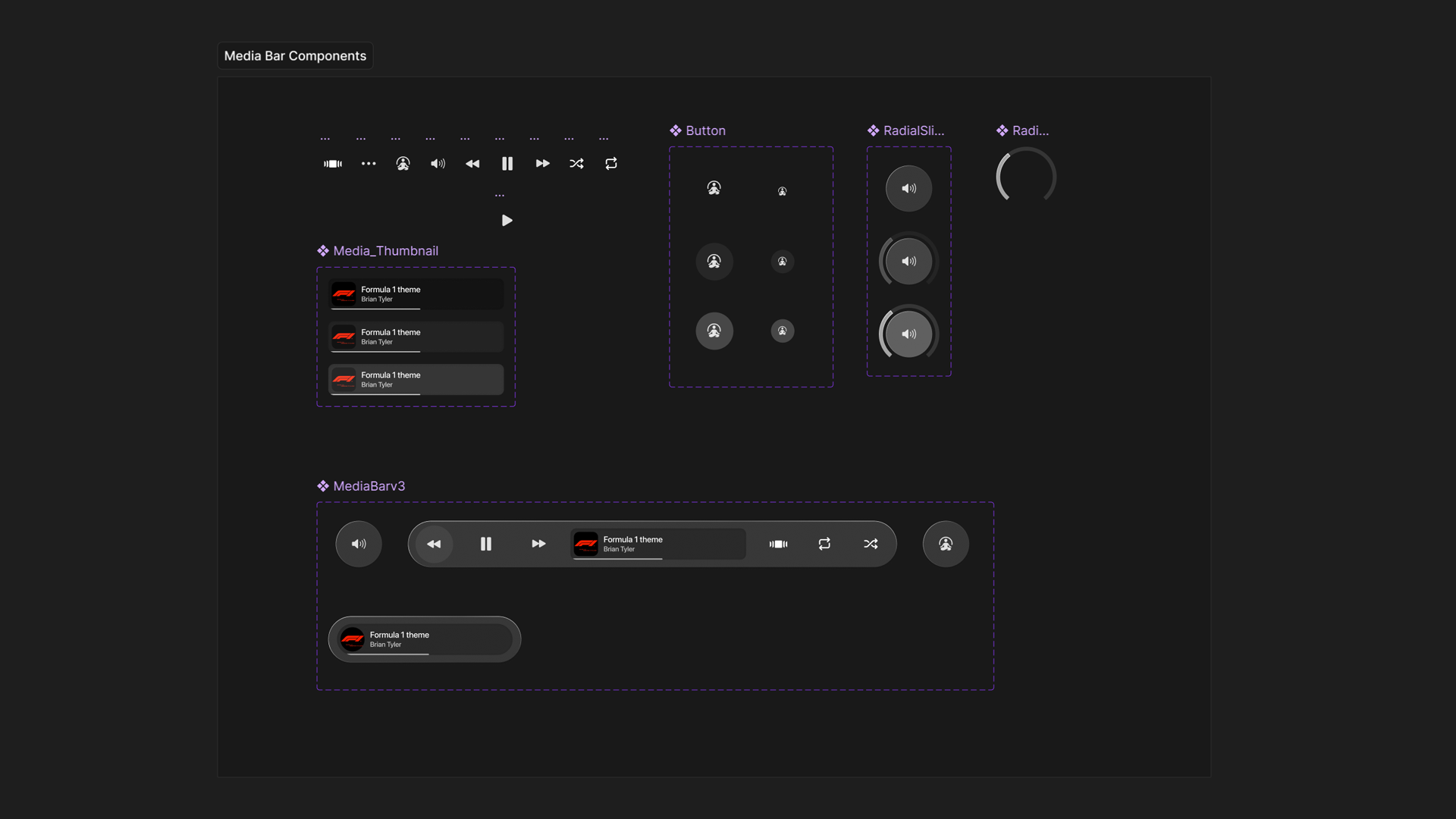
From there, I moved into higher-fidelity component design in Figma, focused on the Media Bar — including the standard and radial slider button components that drive playback and selection. That component data was exported into Motion Lab, where the variant structure was read in directly and used by the AI agent to create a state machine for the media bar. From there I prompted Claude via Motion Lab to construct the physics and logic for the 3D carousel component governed by the concept images I created as well as a custom motion system of mine.
Copyright
© 2026 EWL Motion
All Rights Reserved
Home Base
New York, NY
Go Knicks